Starbucks has surpassed 6,000 coffeehouses in Asia Pacific, the company said, marking the milestone with its first coffeehouse in Buon Ma Thuot, Vietnam, in the Central Highlands coffee-growing region.
Chanda Beppu, president of Starbucks Asia Pacific, described the threshold as “a meaningful moment” in the company’s nearly 30-year history in the region. She credited green apron partners and licensing partners with helping bring the Starbucks Experience to millions of customers. Beppu added that reaching the milestone in Buon Ma Thuot, where much of Vietnam’s coffee story begins, felt especially fitting.
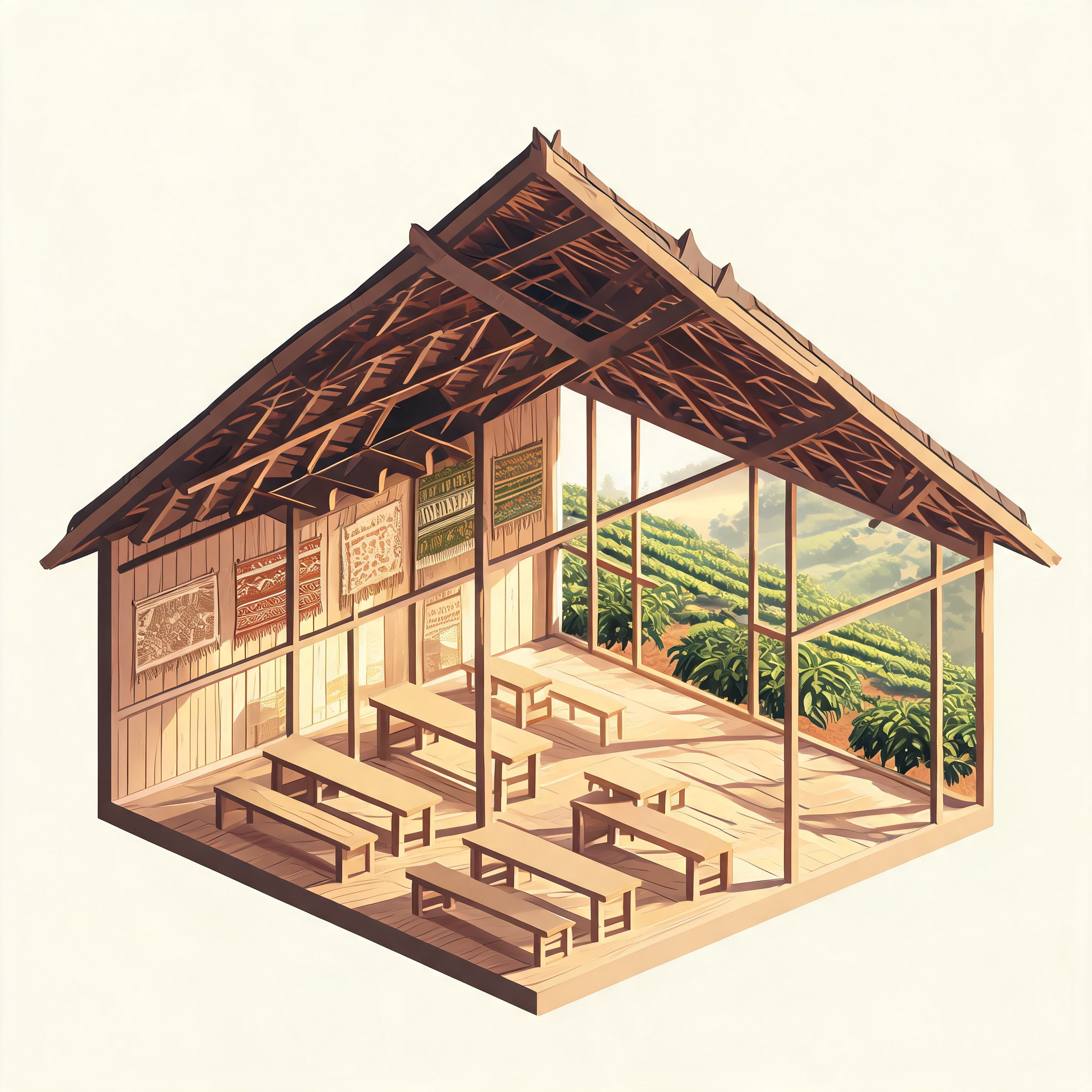
The Buon Ma Thuot coffeehouse combines contemporary Starbucks design with local cultural influences. According to the company, the space uses locally sourced materials and artwork inspired by traditional weaving. Its architecture references the traditional Rong house, known for its towering roof and role as a communal gathering place in parts of the Central Highlands.
Starbucks also pointed to smaller, more flexible store formats as part of its expansion strategy. Adaptable, modular designs allow the company to fit different spaces and customer needs, from busy transit hubs to event spaces and other settings where a conventional coffeehouse may not work well. In Vietnam, for example, a Starbucks mobile coffee truck serves customers at concerts, events and community spaces.
The 6,000-coffeehouse milestone reflects Starbucks’ scale in Asia Pacific while illustrating how the chain is pairing coffeehouse operations with local design and format flexibility.