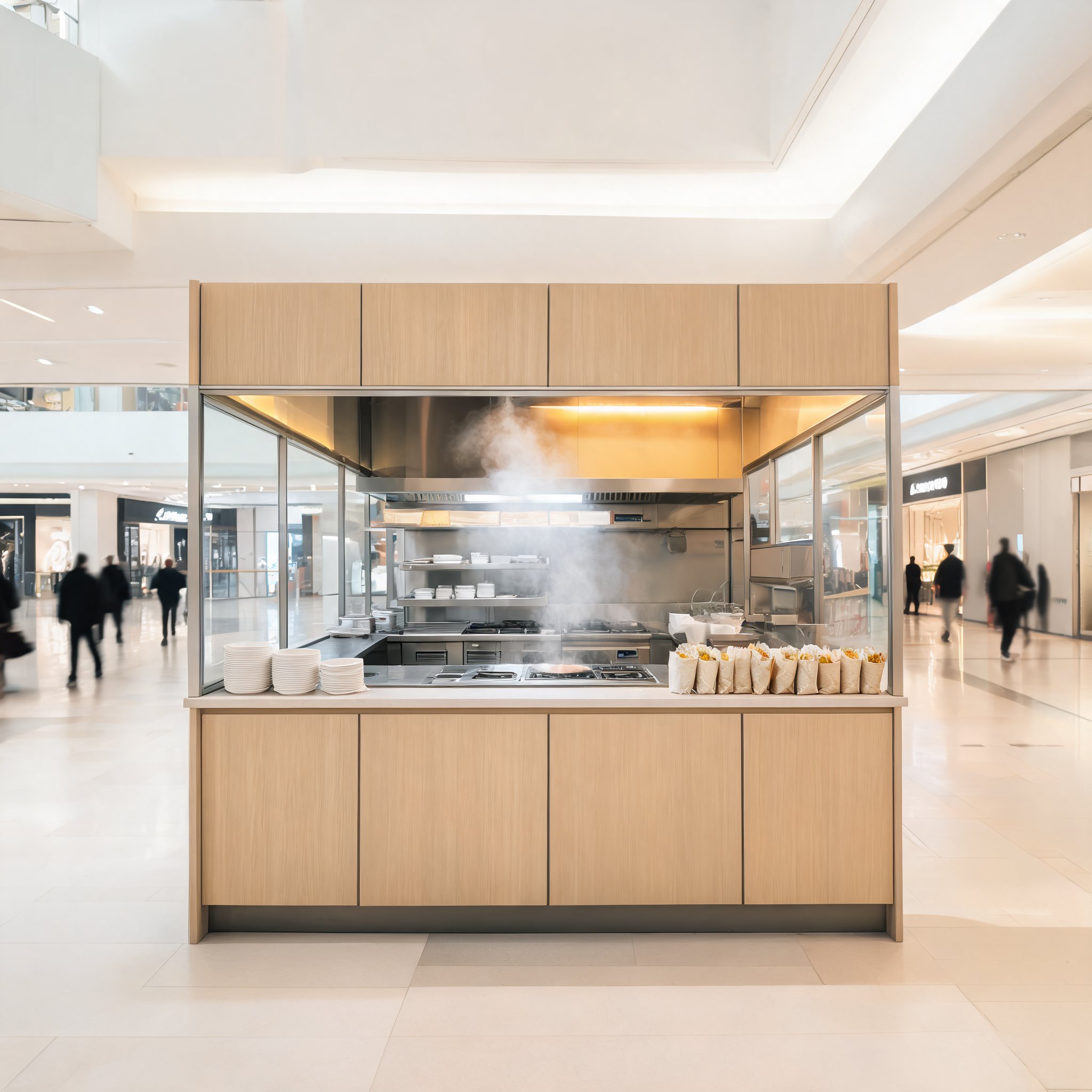
Benihana is launching a national licensing program for Benihana Express, a fast-casual model the company wants to place in high-traffic locations across both traditional and nontraditional settings. The move extends the teppanyaki brand into a smaller, more scalable format that can be operated by licensees as well as by the company.
Emanuel “Manny” Hilario, president and CEO of Benihana parent The ONE Group, said the Express format is intended to bring the brand’s flavors to more people, in more places and more often. He described the model as having a flexible footprint, a streamlined operating model and broad consumer appeal, and said it could become a significant growth engine and a cornerstone of the company’s asset-light expansion strategy.
A compact format
Benihana Express is designed for footprints of roughly 800 to 1,000 square feet. The Nov. 20 announcement said the concept was built for flexibility, operational simplicity and scalability. Its menu includes made-to-order hibachi rice bowls, hibachi burritos and other items, a narrower offer than a full-service teppanyaki restaurant.
The smaller footprint and simplified operation are central to the licensing plan. They allow the brand to target busy retail, mall and other high-traffic sites where a full Benihana restaurant may not fit or may not make sense. The format is also meant to be easier for operators to replicate across multiple locations.
Existing units and opening plans
Two company-owned Benihana Express units are already in operation, one in Miami and one in Denver. By the end of this year, the brand expects to open a third company-owned Express unit at Topanga Mall in Canoga Park, Calif., along with a licensed store in Islamorada, Fla. Benihana’s website also lists an Express unit in Las Vegas as coming soon.
The mix of company-owned and licensed locations shows how Benihana is testing the model while preparing for wider expansion. Company units can demonstrate the format in operation, while licensing can add locations through partners. The announcement does not specify the number of licensed units planned, the timing of future openings beyond the current-year targets, or the financial terms of the program.
What the licensing push signals
For The ONE Group, the Express program offers a way to extend Benihana into more frequent visits without requiring the company to build every location itself. The asset-light approach can support expansion, but it also depends on finding suitable high-traffic sites and on licensees executing the compact operating model consistently.
The national licensing program marks a step beyond the current company-owned test units. Benihana is positioning Express as a growth vehicle that can travel across markets and location types, while keeping the core offer centered on hibachi-style food in a fast-casual format.