Amyris, Inc. plans to acquire Oobli Inc., a Davis, California-based company focused on fermentation-derived sweet proteins, the Emeryville, California biomanufacturing company announced. The transaction would add Oobli’s protein fermentation expertise to Amyris’s strain engineering, manufacturing capacity and commercial operations. Amyris said the acquisition is expected to close in the coming weeks, and that existing Oobli customer commitments and brand partnerships will continue without interruption.
Amyris describes itself as a vertically integrated biomanufacturing company. Oobli is described as a leading innovator in sweet proteins, which are ingredients intended to help food and beverage brands reduce sugar while maintaining sweetness. The companies position the deal as a commercial and technology expansion, not only a product acquisition.
Strategic fit
Amyris said the acquisition follows its expansion of manufacturing capacity earlier this year at its advanced fermentation facility in Barra Bonita, Brazil. The company views the combination as a way to accelerate its presence in protein- and peptide-based solutions across end markets. Oobli’s platform is expected to complement Amyris’s existing scientific and manufacturing capabilities.
Kathy Fortmann, Amyris’s chief executive officer, said Oobli offers a commercial and technology platform that complements Amyris’s own. She said Amyris aims to bring commercial scale and resources to Oobli’s sweet-protein work and to combine Oobli’s protein expertise with Amyris’s strain engineering, manufacturing scale and commercial capabilities. Fortmann also pointed to potential applications in food and beverage, personal care, flavor and fragrance, and agriculture, while framing those opportunities as potential rather than completed expansions.
Sweet-protein platform
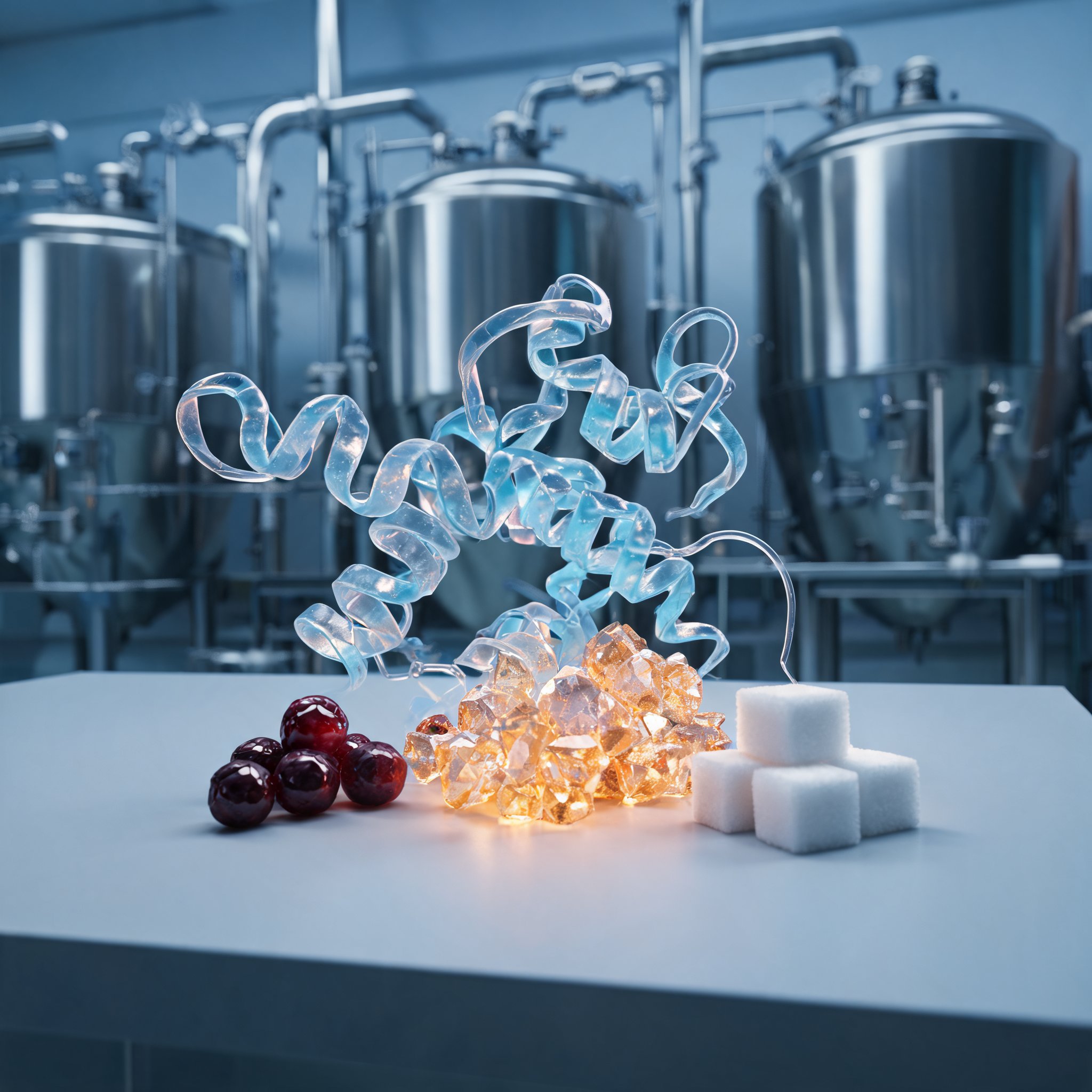
Oobli’s commercial portfolio is expected to be the first to benefit from the combined platform. The company says it has spent the past decade refining a fermentation process to produce sweet proteins naturally found in rare fruits and berries near the equator. According to Oobli, sweet proteins are hundreds to thousands of times sweeter than sugar, bind directly to sweet taste receptors and are metabolized by the body as protein. Oobli says this allows them to deliver sweetness without gut disruption or blood sugar spikes.
The portfolio includes Oubli Fruit, Serendipity Berry and Katemfe Fruit Sweet Proteins, known scientifically as brazzein, monellin and thaumatin. Oobli says the ingredients have FDA GRAS status as an ingredient and are FEMA GRAS-affirmed for use as a natural flavor. Those regulatory positions are relevant to food and beverage formulation, although the announcement does not provide product-level performance data or customer adoption figures.
Market and integration
Amyris and Oobli link the acquisition to growing consumer awareness of metabolic health and sugar reduction. Oobli’s sweet proteins are positioned for a range of categories, including sports and nutrition, dairy, beverages, chocolate, bakery and confectionery. The companies say the ingredients give brands a tool to reduce sugar across those applications.
Ali Wing, Oobli’s chief executive officer, said the company has sought a better way to deliver sweet taste without trade-offs to health and the environment. She said joining Amyris would provide the scale and resources to pursue Oobli’s ambition of making sweet proteins a global standard in sweetness solutions. Fortmann added that Amyris sees biomanufactured solutions succeeding when they align with consumer demand and market needs, and said Oobli’s platform is intended to address sweet taste, sugar reduction and clean label goals together.
The acquisition is expected to close in the coming weeks. Until then, the transaction remains a planned combination, and Amyris said existing customer commitments and brand partnerships will be honored uninterrupted.